MOVE ME EGYPT SERVICES

Furniture packing for moving and storage

Furniture packing: a practical guide

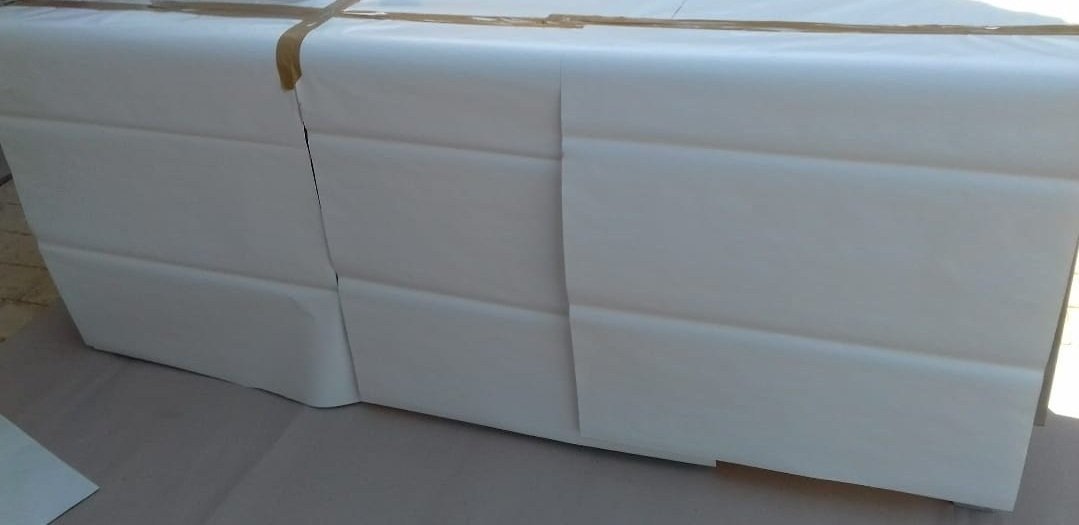
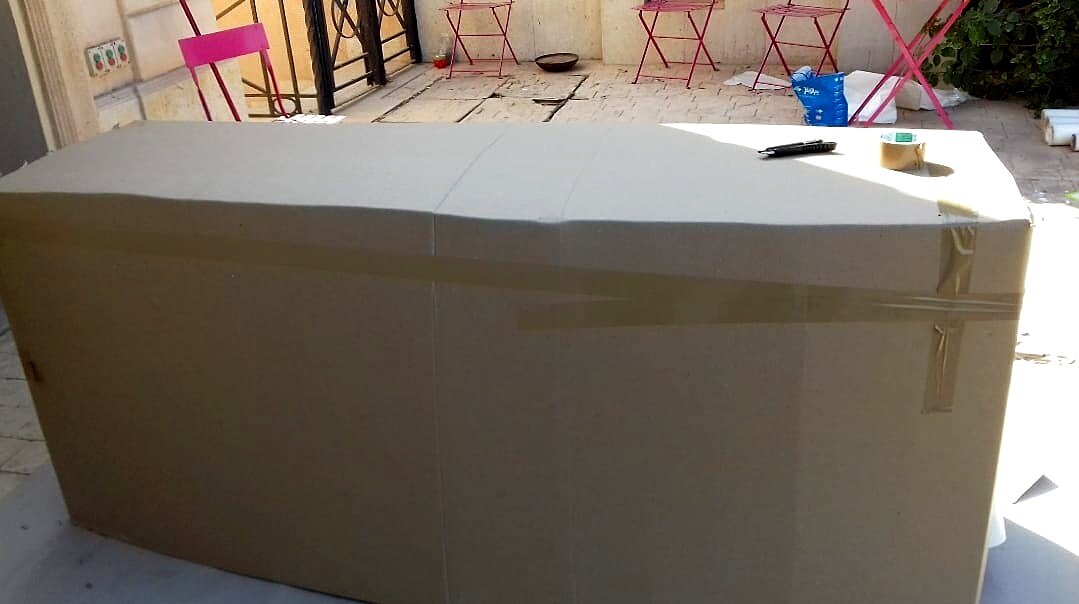
Packing should suit the surface, edges, fragile parts and journey of each item. We review what needs protection and whether it is travelling directly or going into storage. The genuine six-stage photographs below show one furniture piece being prepared, not a universal material specification for everything you own.

We dismantle and reassemble everything: every piece in the home is taken apart and put back together, we pack and arrange clothes, dishes and china in numbered cartons, and we hang paintings and wall art in their places in the new home before the crew leaves.

Different materials need different protection

Identify wood, veneer, glass, stone, upholstery and electronics before selecting protection. More plastic layers do not automatically solve impact, pressure or abrasion. Do not enclose wet or dirty furniture expecting its condition to improve inside packaging. Declare existing defects and sensitive finishes so the preparation is appropriate.

Separate breakables, fill voids and keep heavy cartons manageable. Tape should not directly contact a sensitive surface without assessment. Label each dismantled component and fixing pack with its parent item, and identify package destination and handling orientation where needed. Protection should support the object without crushing it.

Agree what the packing service actually includes

Specify packing only, dismantling and packing, transport, storage preparation or overseas shipment. Duration and repeated handling change the protection needed. Special crates and structural supports are not automatic for every piece; required materials and work should appear in the quotation after inventory review.

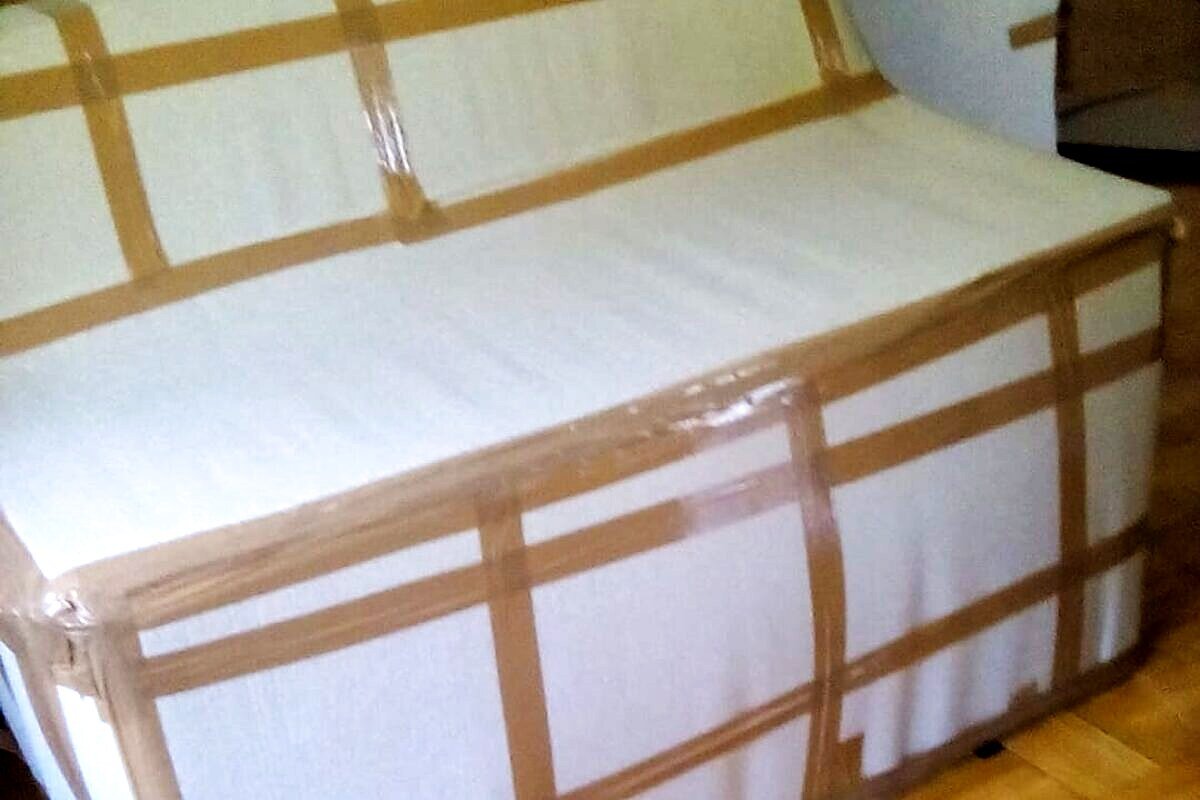
The six real photographs show preparation stages for one piece, not a method copied literally onto every item. Before receipt, check identifiers, loose components and protruding edges and retain the inventory. Keep original papers, medicine and valuables outside packing materials. Unpacking, assembly and disposal of packaging at destination need their own agreement.
Furniture packing for moving and storage

What needs to be agreed

The number of layers is not a promise of protection by itself. Materials, handling and the route all matter. Packing for storage may need a different arrangement from packing for an immediate move. Any special case must be assessed before the work is accepted.

Prepare these details

How the move is planned

  1. Share the inventory

    Send the collection and delivery locations, preferred date and a clear inventory. Photos help us identify missing information, but they do not automatically replace a site survey.

  2. Review access and the scope

    We review entrances, stairs, lifts and loading points, then identify packing, dismantling, transport and any work requiring another specialist.

  3. Agree the quote and responsibilities

    Check the included and excluded work, stages, contacts and receiving arrangements. Changes to the inventory or address need review before they become part of the plan.

  4. Prepare, move and hand over

    The team follows the agreed scope, with labels and inventory checks at delivery. Record visible observations at handover and keep important personal items with you.

Locations and availability

We welcome moving requests from all of Greater Cairo: Nasr City, New Cairo, the Fifth Settlement, the New Administrative Capital, 6th of October City, Sheikh Zayed, Maadi, Zamalek, Katameya Heights, Katameya Golf and New Giza. Our service covers every governorate in Egypt: Alexandria, the North Coast, Ain Sokhna, Suez, Hurghada, Sharm El Sheikh, El Gouna and beyond. We have worked everywhere in Egypt, and our crew reaches any address with the same planning and commitment. Send your area on WhatsApp and we will confirm the details and timing right away.

Survey and pricing

A quote depends on the inventory, volume, item type, distance, access and agreed packing, handling and assembly. We review the details and survey needs before a final offer. The household calculator is a planning tool, not a binding quote; it does not price company, factory, server, safe or piano moves, or inventories with unknown-volume items. Ask for the exact inclusions and exclusions before agreeing the work.

Real furniture packing, six stages

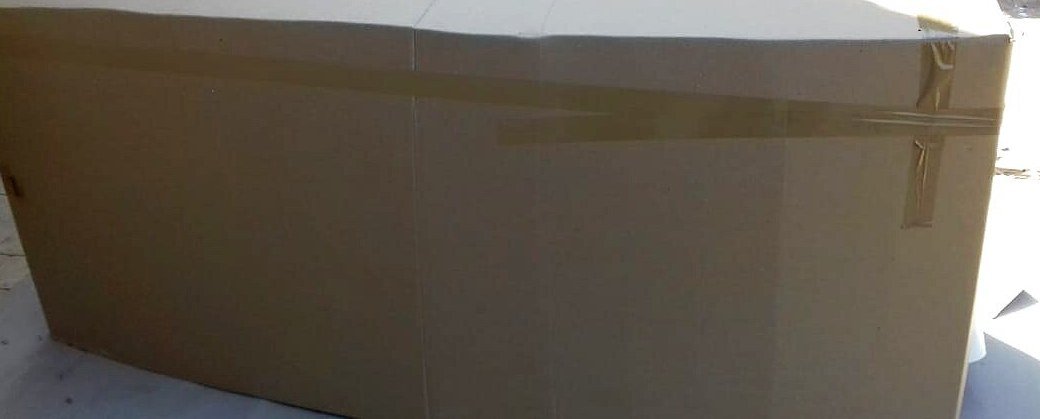
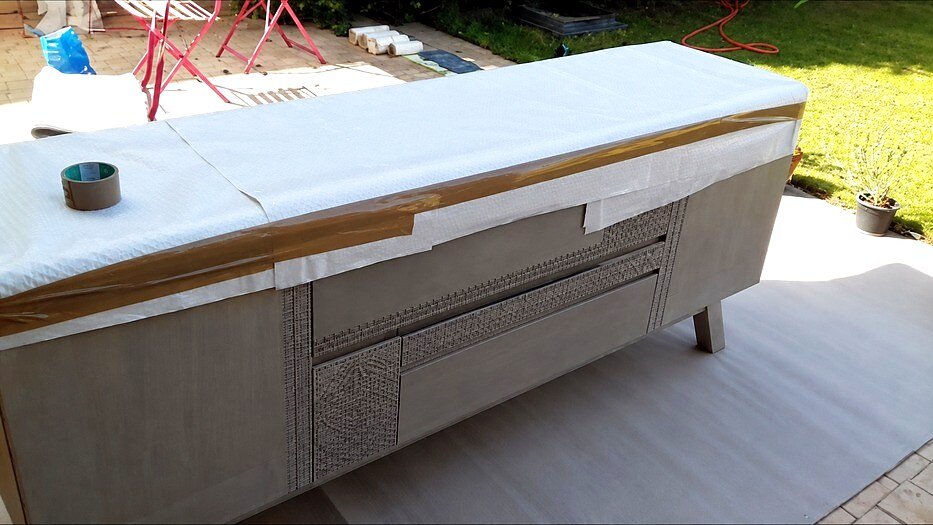
These genuine photographs show one furniture piece through its packing stages. They are not evidence of a particular customer move or a universal packing specification.
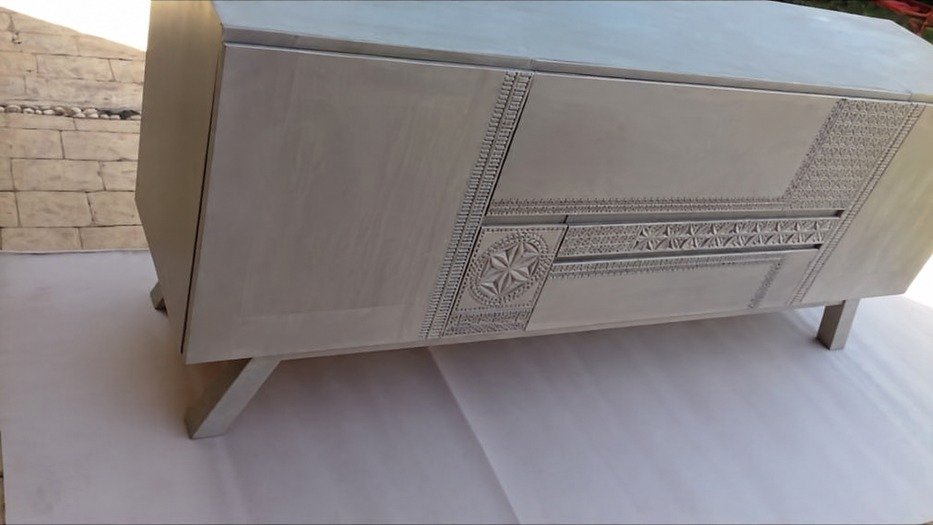
Preparing the furniture piece
01 Preparing the furniture piece
Covering the top surface
02 Covering the top surface
Protecting the sides
03 Protecting the sides
Adding protection
04 Adding protection
Checking the wrapping
05 Checking the wrapping
The wrapped piece
06 The wrapped piece

Frequently asked questions

Does an enquiry confirm a booking?

No. The team must review the request and agree the scope, availability and quote before the move is confirmed.

Is every task included automatically?

No. Packing, dismantling, handling, storage and specialist work depend on the written scope. Check the exclusions as well as the price.

What if my inventory or address changes?

Tell us before the move. A change can affect access, timing, equipment and price, so it needs review before acceptance.

Moving packing and storage packing need different plans

For a direct move, review protection through dismantling, carrying, loading, road transport and unloading, considering material, weight and access. For storage, also review expected duration, condition, cleanliness, dryness, positioning and later access. No single wrap or material suits every item and duration. The team should agree protection after reviewing the goods and available environment. A storage booking does not establish temperature control, humidity control or insurance coverage.

Create a numbered inventory and identify what you may need first. Ask whether retrieval can be partial or must be complete, how it is arranged and charged. Pre-storage photos support condition records but do not replace a receipt. Check acceptance conditions for appliances and sensitive contents. Do not put food, plants, hazardous materials or damp items among stored furniture without explicit acceptance and review.

Read the storage guide

For furniture storage in Cairo, ask about security, acceptance, access and written conditions. If climate-controlled storage is required, specify temperature and humidity needs and request confirmation; this page does not claim a climate-controlled facility. International packing standards depend on contents and route; fine art and piano moving need an individual review.

Choose moving services around your contents, both locations, access and date, not a nearby search label alone. Service scope, availability and the quote require inventory review.

Furniture packing: a practical guide

Build a packing plan by item, not bedroom count

Record each item's material, surface, condition, dimensions and removable parts. Solid timber, a thin veneer, framed glass and a loose glass top have different risks. Photograph existing scratches, joints and weak areas and disclose earlier repairs or glued sections. Photos document condition; they do not establish that a damaged item can withstand handling. Keep manufacturer instructions where available, especially for appliances and moving mechanisms.

Describe the whole journey: direct move, temporary storage, longer storage or international freight. Will anything be opened at an intermediate stage, and will you need partial retrieval? These details affect numbering and access. Do not choose materials by colour or apparent thickness in a photo. The six images here show real protection stages for one piece, not a test of every material or a mandatory six-layer rule. Agree protection and included materials before work starts.

International moving

Match cartons to weight and identify them clearly

Separate books, dishes and clothing so heavy and fragile contents are not mixed indiscriminately. Choose a carton appropriate to its contents and handling weight. A large box is not an invitation to fill it with books. Check the base and sides; damp, torn or weak cardboard does not become suitable merely by adding tape. Limit internal movement with appropriate protection without pressing glass or leaving sharp edges against delicate surfaces.

Label package number, destination room and a short non-sensitive description. Keep detailed contents separately where needed, especially for files and devices. Fragile and orientation markings identify handling needs but do not establish stackability. Number fittings and accessory bundles to match their furniture item. If cartons are replaced or combined, update the list instead of leaving old numbers to confuse delivery checks.

Packing

Flag glass, stone, electronics and valuable pieces early

Declare large mirrors, stone or glass surfaces, screens, artwork and projecting fragile parts. Review dimensions, known weight, condition, load points and access with the specialist. Surface protection cannot solve an unsuitable lifting point or narrow stair turn. Wall-fixed and bonded pieces need dismantling review; do not detach them yourself merely to speed packing. Valuable items may need valuation and evidence for insurance. An expensive description does not establish full compensation.

Identify each device's accessories and review preparation with its owner or specialist. Do not display passwords or personal data on cartons. Backup, disconnection and restart are not guaranteed outcomes of furniture packing. Declare batteries, liquids, pressurised products, chemicals or special inks before closure. Being inside equipment or a household box does not establish acceptance; classification and carrier conditions require separate review.

Use the container planner

Storage and overseas freight add requirements

For storage, review cleanliness, dryness, condition, duration and access first. Wrapping damp goods does not solve dampness. Prepare appliances with a specialist and manufacturer guidance and identify items needed early. Ask for inventory, receipt and partial-retrieval conditions. Do not assume every facility controls temperature and humidity. Protection must match the available environment, not merely the storage label.

For international freight, review destination, mode, accepted contents and documents before buying special materials or closing packages. Timber, pallets and bracing can have case-specific requirements; buying a crate is not shipping approval. Once packing is agreed, update outside dimensions, weights and package counts. Unpacked measurements can understate space. The container planner compares indicative limits but does not approve crate design, securing arrangements or customs clearance.

Use the container planner

Check the packing handover before details are hidden

Review package numbers, furniture, dismantled parts and destination rooms before final closure. Separate belongings staying with you and keep keys, documents and essential medicines outside the shipment. Maintain suitable condition records and clarify unpacking and material-removal scope at arrival. For packing-only work, agree the handover and who handles packages afterwards.

Request included materials, quantities and specialist tasks in the quote instead of choosing layers or carton counts without an inventory. The page is not a confirmed stock catalogue or instant materials store; availability, price and delivery require review. Record reservations and follow written reporting deadlines. Start with a photographed inventory, purpose and sensitive-item review rather than one generic package for every home.

Packing

Official personal-effects and residence-transfer checks: Zoll · Egyptian Customs ·

Request an inventory reviewUse the container planner

Furniture packing and moving preparation

For furniture packing in Cairo or Alexandria, say whether you need packing only or packing and moving, item types, destination and any storage period. Material quantity alone does not measure protection; suitability for the finish and journey matters.

Move distance scope

Tier planning prices are fixed within Greater Cairo, and the calculator prices listed inter-governorate routes with a distance factor on the same tiers: Alexandria, the North Coast, Ain Sokhna, Suez, Ismailia, Port Said, the Delta governorates, Minya, Assiut, Hurghada, El Gouna, Sharm El Sheikh, Luxor and Aswan. Governorates outside the list get a custom quote on request after distance, inventory and access review. This is a pricing scope, not an administrative classification of cities.

Do calculator prices apply in every governorate?

Yes. The calculator prices the listed inter-governorate routes with a distance factor on the same Greater Cairo tiers. Choose the pickup and delivery governorates in the two lists; unlisted governorates get a custom quote on request after distance, inventory and access review.

Closet packing and hanging wardrobe boxes

Before moving a wardrobe, separate first-day clothing from the remaining contents and count hanging garments, folded clothes, shoes and accessories. A wardrobe carton with a hanging rail may suit some jackets, shirts and dresses, but size and loading depend on garment length, weight and available materials. Ask MOVE ME EGYPT about suitability and availability in your quotation rather than assuming every move includes one.

Open cardboard wardrobe box with hanging rail and clothes on hangers
The hanging wardrobe-box idea
Open wardrobe with hanging garments and folded clothing in drawers
Start by sorting closet contents

Pack clothing clean and dry. Do not overfill or place shoes and heavy objects on top. Review delicate or high-value garments separately and follow their care instructions. A hanging box can help organisation and reduce folding for some items; it does not guarantee wrinkle-free, moisture-proof or damage-free delivery. Label the destination room and keep documents, jewellery and small personal valuables with you.

Packing clothes is separate from moving the wardrobe cabinet. Review its dimensions, fixings, condition and exit route before dismantling, and agree assembly responsibilities and accessories. These images illustrate hanging-box and closet organisation, not verified equipment stock or a carton guaranteed for every date.

MOVE ME EGYPT services, from inspection to installation

We provide a full range of furniture and belongings relocation services, with a free pre-move inspection and consultation and professional supervision throughout the move.

  • Comprehensive insurance for your movables.
  • Upper-floor furniture lifting and transport up to the 30th floor, with hydraulic lifts and telescopic cranes.
  • Furniture dismantling and reinstallation, premium multi-layer packing and a range of packing materials.
  • Packing and transport of glass, antiques, china, vases, valuable personal items and artwork.
  • Packing and transport of electrical appliances, servers, IT equipment and sensitive electronics.
  • Electrical services: dismantling and installation of chandeliers and wall lights.
  • Plumbing services: removal and installation of water heaters.
  • Air-conditioner dismantling, installation, transport and shipping.
  • Transport of heavy safes, heavy sports equipment, carpets and curtains.
  • Numbering and coding of items, trained human-chain handling and enclosed transport trolleys.
  • Uniformed teams, professional supervisors, equipment installation, start-up adjustment and maintenance services.

Execution details, insurance coverage and suitable equipment are set out in the quote for the inventory, access and inspection. Calculator planning prices apply only within Greater Cairo; moves outside it and between governorates receive a special offer.

Packing handover: contents, labels and exceptions

Packing is easier to review when each carton or protected piece has a clear purpose and reference. Use this guide to agree who prepares the contents, what information belongs on the label and how exceptions will be recorded. It is not a do-it-yourself recipe for fragile or hazardous goods, and it does not promise that one material suits every item.

Make a contents boundary before opening cupboards

Identify cupboards and drawers included in the packing scope and those that the household will prepare itself. Say whether a closed unit contains belongings, is empty or must not be opened. Do not rely on a closed door or a strip of paper to explain the instruction. The household should remove personal documents and valuables under its own agreed arrangements before shared packing begins.

A mixed cupboard can contain ordinary linen beside liquids, loose blades or private papers. Declare those exceptions before the packer encounters them. Agree who answers questions when the contents do not match the inventory. The aim is a clear boundary, not permission to open every container or accept every object found inside.

Use carton identities that survive a room change

Give each carton a unique reference and a destination code. Add a short useful contents category without exposing private details. Bedroom two linen is more useful than miscellaneous, while confidential document titles are unnecessary on the outside. Keep a separate household index if finer detail is needed. A label can remain understandable even when old and new room names differ.

If a destination changes, update the index and label consistently. Do not keep several conflicting room names visible and expect the receiver to choose. Record a carton redirected to storage or another address rather than changing only a family message. Retaining one reference makes the packing count, load record and delivery check easier to reconcile.

Separate a set from the carton that carries it

A dinner service, collection or furniture accessory set may occupy several packages. Use one set reference with package numbers so the receiver can see the relationship. Record the number of packages associated with the set, not merely the total carton count. List separately any piece deliberately staying behind or travelling with the owner.

At delivery, count related packages before reconstructing the entire set. A sealed carton count does not establish that every individual component has been inspected. Agree what the packing record covers and what remains to check during unpacking. Never conceal a known missing or already damaged component within a generic description of a complete set.

Treat owner-packed cartons as a distinct category

Tell the team which cartons the household has packed and whether their contents can be verified under the agreed scope. Mark their origin and destination without claiming professional packing that did not occur. Describe fragile, heavy or unusual contents accurately. An outside label saying fragile does not correct unsuitable packing or make an unknown carton automatically acceptable.

Ask how self-packed contents affect inspection, repacking requirements, acceptance and insurance terms. Do not assume a general insurance description settles that question. If the carton needs review, keep it accessible before loading. Any additional packing work and materials should be agreed rather than silently added to the original scope.

Keep an unpacking order without losing inventory control

Identify a small group of early-access cartons for daily clothing, basic household use or other ordinary essentials. Keep documents, medication and personal valuables under the household's separate arrangements. Early-access means the items need to be identified in the load plan, not that they can be placed wherever space happens to remain.

Choose an accessible receiving location that does not obstruct the handling route. The carton reference stays the same after opening. If a carton moves to another room before counting is complete, tell the receiver responsible for the list. This prevents an opened essential carton being mistaken for a package that never arrived.

Record loose components before protection hides them

Describe detachable shelves, leaves, handles or accessories that are part of the agreed work. Link them to the item reference and record how many associated packages exist. The list documents what is present; it is not an instruction to dismantle fixed or unfamiliar equipment. Relevant original instructions can be made available for the competent person to review.

Do not combine unidentified fittings from several furniture items in an unlabelled bag. At delivery, reconcile the accessory reference with its item before assembly under the agreed scope. A spare part that looks similar should not be substituted without review. Record anything awaiting identification rather than treating the entire job as complete.

Declare residues and uncertain contents before packing

Tell the team about containers with liquids, aerosols, chemicals, batteries, fuel residue or unidentified contents. These need acceptance and preparation review instead of being hidden inside ordinary furniture cartons. A household origin does not make every substance suitable for the selected transport or storage arrangement. This guide does not provide disposal or hazardous-goods handling instructions.

Ask the reviewing party which items are excluded and what separate arrangements are needed. Keep those decisions in the inventory exceptions list. Do not transfer a substance into an unlabelled bottle to make it appear simpler to carry. For overseas freight, the chosen carrier and destination rules add requirements beyond an ordinary domestic packing plan.

Close the packing record before the load leaves

Compare the final package count with the current inventory and separate protected furniture from cartons and accessory packages. Record exclusions, owner-carried contents and items not ready. If one planned item becomes several packages, update its relationship in the record. An estimate made before packing is not automatically the final package count.

Ask who receives the packing list and how later observations will be reported under the written terms. Preserve suitable condition records without photographing unrelated private papers. At arrival, use the same references for counting and exceptions. Unpacking, removing materials and arranging contents on shelves are separate scope questions that should be settled in advance, not assumed from the word packing.

The kitchen and the fragile: where packing earns its keep

Every home has a room that decides whether the move goes well, and in Egyptian homes it is the kitchen. More breakable weight lives in one kitchen than in the rest of the flat combined, and it packs the slowest and breaks the easiest. This is the room where professional packing stops being a convenience and becomes the whole point.

Glassware and dishes, piece by piece

The rule for glass and porcelain is cell packing: every piece wrapped individually, standing on edge like a book rather than stacked flat like a plate pile, because edges absorb shocks that faces cannot. Plates travel vertically in dish cartons with dividers; glasses stand upright, stuffed and wrapped, heaviest at the bottom; and no carton carries more than a person can lift without strain, because the overloaded fragile carton is the one that gets set down hard. Between the layers goes cushioning, never bare piece on bare piece. A well-packed kitchen carton sounds wrong when shaken gently, it should make no sound at all, and that silence is what a packing crew is actually selling.

Appliances, big and small

Appliances travel clean, dry and disconnected. The refrigerator empties, defrosts and dries the day before, with its shelves wrapped separately or fixed so they cannot rattle; water inside a moving fridge is a leak waiting for a sofa. The washing machine's drum gets its transit bolts or a stabilizing fix, because a loose drum is the most common appliance injury in any move. Small appliances travel best in their original boxes when those survive, and in padded cartons when they do not, with their cords coiled and taped so nothing dangles into the path of a wrapping arm.

What the kitchen teaches the rest of the house

The kitchen's lessons generalize: individual wrapping beats speed wrapping, vertical beats stacked, weight limits protect both the contents and the carriers, and the quiet carton is the safe carton. A crew that packs your kitchen this way will pack everything this way, which is why the kitchen is the room to watch if you want to know what your move will be like.

Electronics, screens, art and mirrors

After the kitchen, a home's value concentrates in the flat and the framed: screens, electronics, artwork and mirrors. Each has its own failure mode, and each failure mode has its own packing answer.

Screens and electronics

Modern screens are strong against everything except the two things moves do to them: pressure on the face and flex in the frame. The answer is a rigid front, the original box when it survives, a screen carton or a padded, braced wrap when it does not, traveling upright, never flat, never with anything stacked on the face. Computers and devices travel with their data backed up before moving day, because no packing in the world insures a hard drive's contents; cables and remotes go in labeled bags taped to nothing and lost by no one, one bag per device family. Photograph the cable runs behind the desk and the television before disconnecting, and reassembly becomes copying a picture instead of solving a puzzle.

Art and mirrors

Framed pieces travel with their glass protected first: tape or film on the glass holds shards if the worst happens, corner protectors take the knocks, and the piece travels vertically in a mirror carton or between rigid sheets, marked so no one stacks on it. Canvases never touch plastic wrap directly, since plastic sweats and paint remembers; paper breathes between the art and the world. Genuinely valuable pieces, the painting that would be mourned rather than replaced, deserve their own conversation at the survey: custom crating, declared-value cover, and sometimes hand-carry by the family, because some things travel best as hand luggage with a seat of their own.

The small precious things

Every home has a shelf of small precious things: the vase from a grandmother, the awards, the collected years. These pack like glassware, individually wrapped, snug in small cartons, cushioned on all sides, and they deserve the honest question at the survey: which of these would you rather carry yourself? Whatever answers that question rides with the family, and everything else gets the full professional treatment and a line on the inventory, so that the shelf in the new home holds the same history as the shelf in the old one.

Disassembly and reassembly: the furniture that travels in pieces

Much of a home's furniture was never meant to go through a doorway whole. Beds, wardrobes, dining tables and shelving were assembled in their rooms, and they leave the same way: in pieces, protected, and reassembled on the far side. How that disassembly is handled decides whether the furniture arrives as furniture or as lumber.

What comes apart and what stays whole

The rule is protection, not habit. Pieces come apart when disassembly protects them or the building: bed frames and headboards, wardrobe units too tall for the stair turn, table legs that would carry the table's whole weight on a joint, modular shelving. Pieces stay whole when their joints are stronger than the stress of the move, solid small dressers, chairs, pieces whose glue and dowels would be weakened by a second life. The survey decides the list, and the crew works from it, so nothing is disassembled on a whim and nothing fragile is forced through a door it cannot fit.

The hardware discipline

Every piece that comes apart generates hardware: bolts, screws, cams, shelf pins, the small parts without which the piece is a puzzle at the far end. The discipline is absolute: hardware goes into a labeled bag, the bag tapes to the largest part of its own piece, and the piece's parts travel together, wrapped and marked. Reassembly uses the photographs taken before disassembly and the notes the crew writes on the wrap, so the wardrobe in the new bedroom goes up the way it came down, with the same parts in the same places. A missing bolt is not a small thing; it is a bed that cannot be slept in, which is why the hardware bag is the most carefully guarded object on the truck.

Reassembly at the destination

Reassembly is part of the service, not a favor: beds rebuilt and leveled, wardrobes up and doors hung true, tables on their legs, shelves on their pins. The crew that disassembled knows the pieces, which is one more argument for one company holding both ends of the move. At the end, you test with the crew present: doors open, drawers run, nothing wobbles. Furniture that arrives in pieces and stands again whole has completed the journey it was designed never to make, and that quiet transformation is the heart of what professional packing and moving actually is.

Packing day, hour by hour

Packing day has a rhythm, and knowing it turns the day from an invasion into a performance you can follow. Here is how it runs when it runs well.

The first hour

The crew arrives at the agreed hour with its materials and its paperwork. The walk-through comes first: the crew chief tours the home with you, confirms the survey's list, marks what stays, what goes, what is fragile, what is personal and not to be packed, and agrees the room order. Materials are staged, the wrap station is set, and packing begins, usually with the kitchen, because the kitchen takes longest and the crew is freshest. Your job in this hour is the decisions: answer the questions, point at the exceptions, and then let the rhythm establish itself.

The middle hours

Room by room, the home converts into cartons and wrapped furniture. Each carton is filled to firm, taped, numbered and labeled, contents and destination room, before the next begins; the inventory grows line by line on the clipboard. Furniture empties, comes apart where the list says, and is wrapped and cornered. The middle hours look like industry and they are: a practiced crew packs a flat's room in an hour or two, and the sound of tape and paper is the sound of your move being built. This is the time for you to do the parallel work: the personal kit, the documents, the fridge emptied toward evening, the last sweep of cupboards no one opens twice.

The last hour

The last hour is the paper and the walk-through. The numbered inventory is read against the home, carton counts by room, furniture pieces by name; you sign it, and it becomes the record the whole move stands on. Then the reverse walk-through: every room checked with you, every cupboard opened, the balcony, the storage cage, the top of the wardrobe, the places things hide. What remains is what you meant to remain, and the home is ready, either for loading the same day or for the truck at the agreed morning hour. Packing day ends with your household transformed into a numbered, protected, documented load, which is to say: with your move already half done well.

Unpacking, placement and the first evening

Packing's mirror is unpacking, and a service that packs should also unmake the work at the far end: cartons opened, contents placed, debris gone. The last day of the move should end in a home, not in a warehouse of your own belongings.

How unpacking runs

Unpacking follows the labels the packing day wrote: cartons to their destination rooms, opened in the order daily life needs, kitchen and bedrooms first, books and ornaments later. Contents are placed where you direct, on shelves, in wardrobes, on the counters, and the crew's pace matches your directions, because placement is the one part of the move only you can choreograph. Flattened cartons and wrap leave with the crew in batches through the day, so the home grows as the packing mountain shrinks, instead of drowning in its own debris at midnight.

The order that works

The order that works is the order of need. Beds assembled and made first, because the day ends in sleep whatever else happens. The kitchen functional next, kettle and cups before casserole dishes. The bathroom working, towels out. Then the wardrobes and the daily-life cartons, and only then the books, the art, the shelves of memory that make a house yours but do not make it livable on day one. Families that unpack in this order sleep in a home on the first night; families that open cartons at random sleep in a maze.

What we leave behind

When the crew leaves, what remains is the point: furniture assembled and placed, beds made if you wish, the kitchen a kitchen again, the debris gone, and the signed delivery receipt in your hand with any notes you made on it. The file, inventory, receipt, quote, is yours to keep, and the follow-up door stays open: a wobble adjusted, a shelf re-pinned, a question answered. Packing services exist to make a move feel like teleportation with better manners, and the unpacking end is where that feeling either arrives or does not. We plan for it to arrive.

The materials, and why they are not all the same

Packing looks like paper and tape, and performs like engineering. The difference between a carton that survives a move and one that surrenders in the stairwell is a specification, and specifications are what a professional service buys in bulk so that you never have to think about them.

Cartons are sizes, not a single thing

The small heavy carton carries books, files and dishes, dense things that would tear a big carton from the inside. The medium carton is the workhorse: kitchen, bathroom, toys, the general cargo of a life. The large carton is for light bulk only, linens, pillows, lampshades, because a large carton filled heavy is a back injury and a burst seam scheduled together. The wardrobe carton keeps clothes on their hangers, the dish carton carries cells for glass and porcelain, and the mirror carton telescopes around the flat and the framed. Using the right size is not fussiness; a carton is a structure, and structures have loads they were designed for.

The wrapping layers

Between the world and your belongings sit layers, each with a job. Paper is the first skin: clean, ink-free, breathing, the layer that touches finishes and fabric. Bubble and foam are the cushion: shock absorbers for the fragile and the framed. Blankets are the armor: thick moving blankets around furniture, held by wrap or tape that never touches polish directly, because adhesive on a lacquered face is a scar. Tape itself is a discipline: the right tape, enough of it, on seams that carry weight, because a carton fails at its seams first and its walls second. And the labels turn the pile into a system, which is why the quietest tool on the truck is the marker.

Why we bring our own

We bring the materials for a practical reason: we know what they will be asked to survive. Supermarket cartons have already lived one hard life; salvaged boxes carry unknown weights in unknown weathers. Fresh, rated materials are a small line in a quote and a large part of the difference between arrival as it left and arrival as a lesson. When you pack with us, the materials question is simply answered, the right cartons, the right wrap, in quantities the survey calculated, and nothing about your move depends on what a corner shop had in stock that week.

Full packing, partial packing and the self-packed carton

Not every household wants the same service. Some want us to pack everything down to the last teaspoon; some want only the fragile handled professionally; some pack most of the home themselves and call us for the furniture. All three are ordinary work, and each has its own ground rules.

Full packing

Full packing is the hands-off move: the crew packs every room, and you live normally until the day and open the door to a packed home. It suits tight timelines, long distances, storage-bound moves and anyone who would rather spend the pre-move week on the hundred other things a move demands. The survey sizes it, the quote states it, and the packing day chapter of this page describes exactly how it runs. Its quiet advantage is uniformity: everything packed the same professional way, one standard from the kitchen to the bookcases.

Partial packing

Partial packing splits the home by risk and by preference. The common split: we pack the kitchen, the fragile, the art and the electronics; you pack clothes, books and the personal. It saves money honestly, because the hours saved are real hours, and it keeps the risk where the skill is. The split is agreed at the survey and written on the quote, room by room or category by category, so packing day has no ambiguity about whose tape closes which carton.

The self-packed carton, honestly

Self-packed cartons are welcome, with two honest conditions. They travel closed: packed to firm, taped shut, labeled with contents and room, because an open carton cannot be stacked, inventoried or protected. And they carry their owner's warranty: we handle them with the same care as every carton, but what is inside a carton we did not pack is covered for the carton's journey, not for its internal packing. That is not fine print; it is physics and fairness. Pack your own well, small and firm, as the materials chapter describes, and self-packing is a genuinely good way to save. Pack loose and heavy, and the savings become a lottery ticket, which is the one kind of carton this page exists to talk you out of.

Packing for storage is a different packing

A move that ends in storage asks more of its packing than a move that ends in a new living room. Time replaces distance as the adversary: what rides for a day may rest for a year, and a year finds every shortcut. Storage packing is the same craft with a longer horizon.

What changes

Everything breathes or it suffers: fabric and paper need air, so plastic seals only what moisture threatens, never what must not sweat. Cartons fill to firm, because a carton stacked in a warehouse carries weight not for hours but for months, and a slack carton slowly becomes a crushed one. Furniture goes in wrapped and, where it helps, disassembled, doors and drawers taped shut, legs and hardware bagged and attached. And the inventory becomes the map back: a storage label lists contents in detail, because next year's you should find the winter coats without opening eleven cartons. Tell us at the survey that storage is the destination, and we pack for the long rest, not just the ride.